Okay, big sis talk. This isn’t about money. It’s about habits. The quiet kind that signal confidence, discipline, and ease.
The things you don’t notice right away – but you feel them. Upper-class energy is subtle. It’s in how someone moves, speaks, and carries their day. No flashing. No forcing. Just consistency.
And the best part? These habits are learnable. You don’t need a different life. Just a few intentional shifts.
Upper Class Habits That Set Them Apart
Think of this as your insider guide to the small behaviors that quietly set people apart. Let’s get into the habits that elevate you without saying a word.
1. Avoiding Flashy Status Purchases

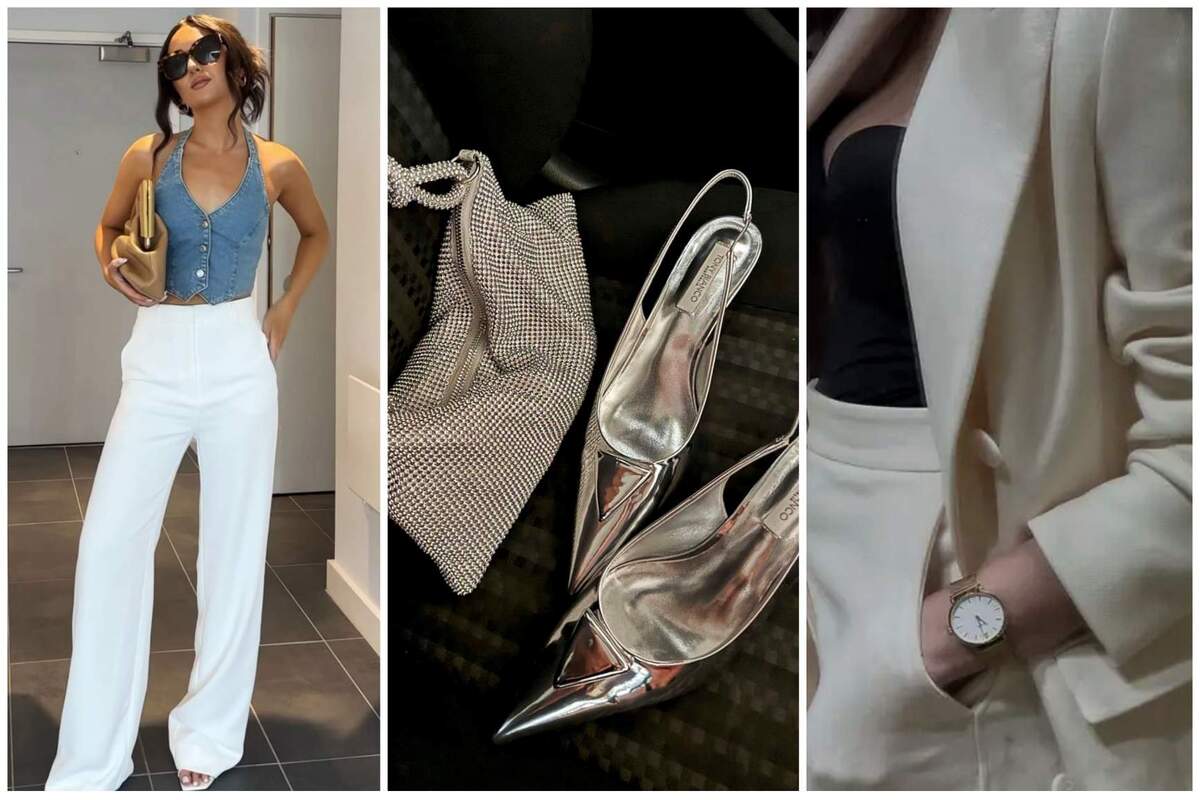
Let me say this gently but firmly: screaming labels are not wealth.
Upper class energy does not need validation stitched across the chest. They’re not walking billboards. They’re not buying things just so strangers can recognize the brand from across the street.
Flashy status purchases are usually insecurity in designer packaging.
Logos the size of a dinner plate. Trend pieces that expire in six months. “Look at me” items bought on impulse just to feel elevated for a moment.
Old money doesn’t chase visibility. They value discretion.
The bag is beautiful – but only those who know, know.
The watch is exceptional – but not loud.
The car is powerful – but understated.
Because real wealth doesn’t perform. It preserves.
And here’s the part people don’t like hearing: the louder the flex, the newer the money usually is.
Upper class doesn’t signal status through noise.
They signal it through consistency.
Calm. Controlled. Unbothered by trends.
If you need strangers to recognize what you’re wearing, you’re not operating at their level yet.
2. Spending on Quality, Not Quantity

Upper class closets are not overflowing. They are curated.
They would rather own five impeccable pieces than fifty mediocre ones.
Because quality does something quantity never will – it ages well.
Fabric that holds structure. Shoes that mold beautifully over time. Coats that last a decade. Furniture that doesn’t wobble after a year.
This mindset applies everywhere. Clothes. Home. Tools. Even friendships.
Middle-class spending often looks like this: more options, more colors, more duplicates, more trends.
Upper class spending looks like: one excellent version.
They ask: Will this last? Can this be repaired? Does this improve with time?
Impulse is replaced with evaluation.
And here’s the truth – buying cheaper repeatedly often costs more long-term.
Quality is quieter at first. But over five years? It wins.
Upper class doesn’t shop for dopamine.
They shop for durability.
That’s discipline.
3. Repairing Instead of Replacing

This one is a mindset shift.
Upper class does not discard at the first flaw.
Loose button? Fix it.
Heel worn down? Replace the cap.
Bag strap fraying? Repair it.
Chair wobbling? Restore it.
There’s respect for objects. And that respect signals maturity.
Constant replacing is often emotional spending disguised as upgrading.
But real refinement understands longevity.
When you repair something, you’re saying: this still has value.
Old money has pieces that are decades old – tailored, restored, maintained. Not because they can’t afford new. But because they don’t waste.
There’s also something deeply powerful about not needing “new” to feel elevated.
Repairing builds attachment. Replacing builds clutter.
Upper class sees craftsmanship. They appreciate materials. They maintain what they own.
Because wealth isn’t about constant consumption.
It’s about stewardship.
And stewardship?
That’s a different level of class entirely.
4. Privacy Around Income

Upper class does not announce numbers.
They don’t casually drop salary figures into conversation. They don’t lead with “I make…” They don’t measure rooms by net worth.
Because money, at that level, is strategy – not performance.
Discussing income openly in mixed company? Tacky.
Asking others what they make? Even tackier.
Bragging about bonuses, investments, deals? Amateur.
Wealth that’s secure doesn’t need witnesses.
Privacy protects leverage. It protects safety. It protects power.
And here’s the uncomfortable truth: the louder someone is about their income, the newer or more fragile it usually is.
Upper class understands discretion as currency.
They’ll talk about ideas. Opportunities. Markets. Vision.
But the exact numbers? Those stay in the family, the accountant’s office, or behind closed doors.
Money isn’t personality.
It’s infrastructure.
If you feel the urge to prove your worth through income – pause.
True class lets lifestyle speak. Quietly.
5. Measured Responses
(No oversharing personal drama. Okay? No what’s the tea or coffee puhleez.)
Upper class energy is emotionally economical.
They do not react instantly. They respond intentionally.
No explosive outbursts. No dramatic monologues in public. No emotional dumping on acquaintances. No trauma storytelling at brunch.
Oversharing personal drama is middle-class bonding culture. Upper class bonding is controlled.
They process privately. They discuss sensitive matters selectively. They don’t weaponize vulnerability for attention.
When conflict arises? Calm tone. Slower speech. Fewer words.
Measured responses signal power. Because when you don’t rush to react, you control the tempo of the room.
And let’s be honest – nothing lowers perceived status faster than chaotic emotional displays.
You can be expressive. You can be warm. But you are not unfiltered.
Not everyone deserves access to your inner world.
Composure is social capital.
Say less. Mean more.
That’s the energy.
6. Clear Articulation

Upper class doesn’t mumble. They don’t swallow words. They don’t rely on filler every second sentence.
They speak clearly. Calmly. Intentionally.
Not loud. Not aggressive. Just controlled.
Clear articulation isn’t about accent. It’s about confidence in delivery.
They finish sentences. They maintain eye contact. They pause instead of rushing. They avoid excessive slang in formal settings.
Speech patterns alone can shift how you’re perceived within seconds.
When you articulate well, people assume competence. Authority. Education.
When you rush, overuse filler words, or speak chaotically, it reads uncertainty – even if you’re brilliant.
Upper class understands this: how you say something often matters more than what you say.
They practice presence through speech.
Words are tools. Not noise.
And refinement?
You can hear it before you see it.
7. Listening More Than Speaking

Upper class does not compete for airtime.
They’re not interrupting. Not talking over people. Not hijacking every story to bring it back to themselves.
They listen. Fully.
And here’s the part people miss – listening is power. When you let others speak, you gather information. You understand dynamics. You see insecurities. You spot opportunities.
The loudest person in the room is rarely the most powerful one.
Upper class energy asks thoughtful follow-up questions. They let pauses breathe. They’re comfortable with silence.
They don’t overshare to impress. They don’t dominate to prove intelligence.
Because when you speak less, your words carry weight.
There’s also confidence in not needing constant validation through conversation.
If you always feel the urge to fill silence, examine that.
Refinement is knowing you don’t have to perform.
Sometimes the most elevated presence in the room is the one observing it.
8. Arriving 5–10 Minutes Early
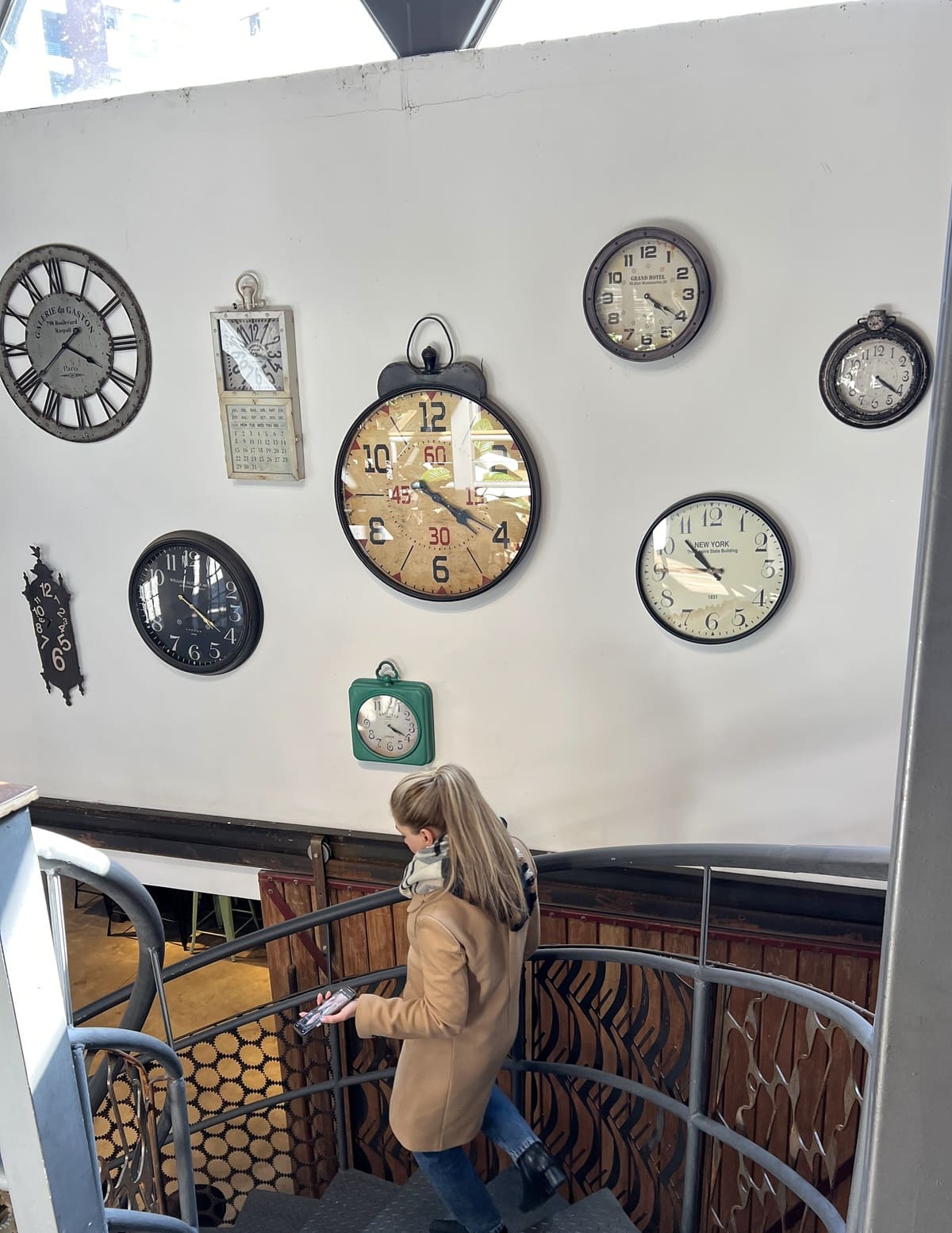
Late is not mysterious. It’s disrespectful.
Upper class treats time like currency – theirs and yours.
Arriving 5-10 minutes early signals discipline. Stability. Consideration.
Not 30 minutes early (that’s intrusive). Not 15 minutes late with a dramatic excuse.
Just prepared.
They account for traffic. Delays. Parking. Logistics.
Because nothing screams disorganized faster than someone rushing in, flustered, apologizing, adjusting clothes, checking their phone.
Composure begins before you enter the room.
When you arrive early, you settle in. You observe. You collect yourself. You choose your seat intentionally.
Chronically late behavior reads chaotic, no matter how stylish you are.
Time management is social etiquette.
And upper class understands one thing deeply – if you don’t respect time, people won’t respect you.
Punctuality isn’t rigid.
It’s polished.
9. Respecting Service Staff

This one is the ultimate tell.
Watch how someone treats waiters, drivers, assistants, housekeeping, receptionists. That’s the real character reveal.
Upper class does not snap fingers. They don’t talk down. They don’t perform superiority.
They say please. Thank you. They make eye contact. They acknowledge effort.
Because true status doesn’t need to belittle anyone.
In fact, being rude to service staff is one of the fastest ways to look insecure.
Wealth that’s inherited or deeply rooted doesn’t flex downward. It’s steady.
There’s calm authority without cruelty.
And here’s something people don’t talk about – social circles notice this. Disrespect travels. Reputation travels.
How you treat people who cannot “benefit” you says everything about your internal hierarchy.
Grace under all circumstances? That’s class.
Power without kindness is just insecurity in a blazer.
10. Tailored Clothing – Neutral, Cohesive wardrobe, Subtle jewelry

Upper class doesn’t rely on trends to look elevated. They rely on fit.
Tailoring is the quiet cheat code. Sleeves that hit correctly. Trousers that break properly. Waistlines that sit exactly where they should. Nothing pulling. Nothing sagging. Nothing drowning the frame.
You can wear the simplest outfit – but if it fits like it was made for you, it reads expensive.
And here’s where it gets strategic: neutral, cohesive wardrobe.
Cream. Navy. Black. Camel. Soft grey. Pieces that mix effortlessly. No chaotic color stories. No trend overload. Everything works together.
That’s why they never look like they’re “trying.” Their wardrobe is curated, not collected.
Subtle jewelry seals it. Thin gold hoops. A classic watch. Delicate chain. Nothing clanking. Nothing oversized for attention.
The goal isn’t to sparkle. It’s to refine.
When everything coordinates quietly, you look composed before you even speak.
Fit first. Palette second. Accessories last.
That’s the formula.
11. Structured Mornings
Upper class mornings are not chaotic.
They don’t wake up scrolling. They don’t start the day reacting to notifications. They don’t rush out the door disoriented.
There’s rhythm.
Wake up at a consistent time. Hydrate. Move the body. Read something intentional. Review the day calmly.
Structured mornings create controlled days.
When you begin in panic, you carry panic into meetings, conversations, decisions.
Upper class understands momentum. They design the first hour carefully because it sets the tone for everything that follows.
Even if it’s simple – coffee in silence, stretching, reviewing a calendar – it’s deliberate.
They don’t let the world grab them before they’re centered.
Discipline in the morning reads as stability in public.
And stability? That’s attractive. In every room.
12. Consistent Sleep Schedule

You cannot fake refinement when you’re exhausted.
Dark circles. Irritability. Brain fog. Impulse reactions. Sloppy decisions.
Upper class protects sleep like an asset.
Consistent bedtime. Consistent wake-up. Proper wind-down routine. Low light. No chaotic midnight scrolling every night.
Because high performance requires recovery.
And let’s be honest – unpredictability in sleep leads to unpredictability in mood. And nothing screams lack of control like emotional swings from fatigue.
They value long-term energy over short-term stimulation.
Late nights occasionally? Of course. Life happens.
But chronically sleep-deprived and proud of it? That’s hustle culture, not heritage culture.
Rest is strategy.
When you’re well-rested, you speak clearer. Think sharper. Carry yourself better.
Composure begins the night before.
And upper class always thinks ahead.
13. Reading Habit

Upper class doesn’t just consume content. They study.
They read books. Biographies. History. Economics. Philosophy. Literature. Not just captions and comment sections.
Because depth is attractive.
When you read consistently, your vocabulary sharpens. Your references widen. Your thinking slows down and becomes layered.
You stop reacting to headlines and start understanding context.
And here’s the difference – they don’t read to appear smart. They read because intellectual maintenance is as important as physical grooming.
Scrolling all day fragments attention. Reading builds focus.
In conversations, you can always tell who reads. Their thoughts are structured. Their opinions aren’t borrowed from the last viral post.
Upper class treats the mind like an asset that needs expansion.
Knowledge compounds just like money.
If your daily input is shallow, your output will be too.
Refinement isn’t just how you dress.
It’s how you think.
14. Intentional Leisure
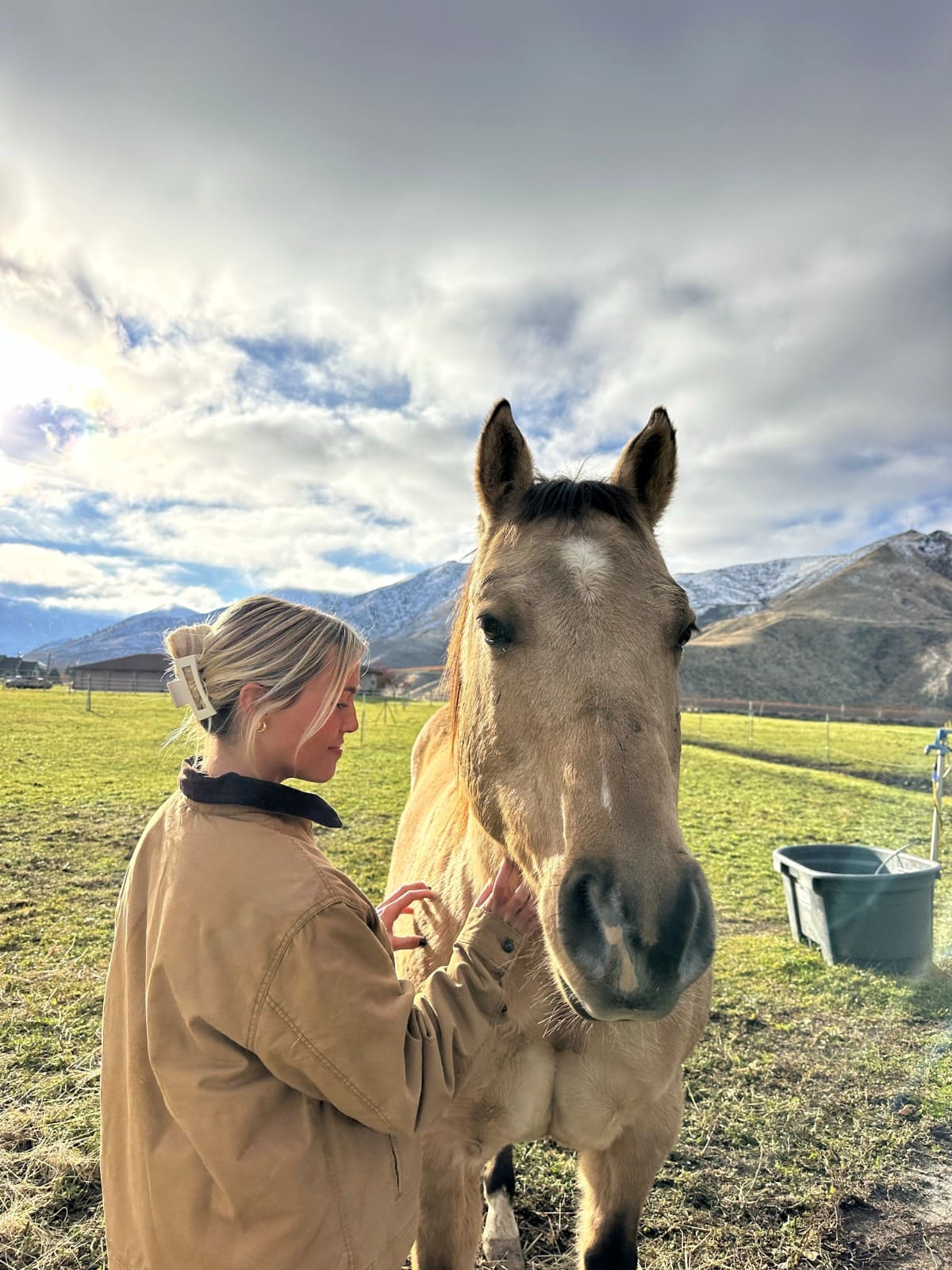
Upper class rests with purpose.
Their downtime isn’t mindless chaos. It’s curated.
Art galleries. Walks in quiet neighborhoods. Hosting small dinners. Playing a sport consistently. Traveling with intention – not just for photos.
Even their relaxation has rhythm.
They don’t binge their way through exhaustion every weekend and call it balance.
Intentional leisure means choosing activities that restore rather than overstimulate.
Time off is protected. Phones are put away. Conversations are present.
There’s a difference between escaping your life and enjoying it.
Upper class doesn’t need constant adrenaline to feel alive.
They appreciate slow meals. Long discussions. Beautiful spaces.
Leisure isn’t about distraction.
It’s about refinement of taste.
How you rest says as much about you as how you work.
15. Understated Confidence

This is the crown.
Understated confidence doesn’t announce itself. It doesn’t seek approval. It doesn’t over-explain.
It walks in calmly. Makes eye contact. Speaks clearly. Leaves without needing applause.
Upper class confidence is internalized.
No constant self-deprecating jokes fishing for reassurance.
No loud dominance to prove importance.
No desperate need to be the most noticed person in the room.
They know who they are – and that knowledge removes urgency.
Understated confidence also means you don’t flex unnecessarily. You don’t correct everyone publicly. You don’t argue to win every debate.
You choose where to invest energy.
There’s a quiet assurance in people who don’t need to convince you of their value.
And that’s the real separator.
Anyone can act important.
Very few can be secure without announcing it.
Share on Pinterest
If you made it til here, consider sharing on Pinterest.